 University of North Texas

Wind Orchestra at CBDNA Southwestern Division Conference
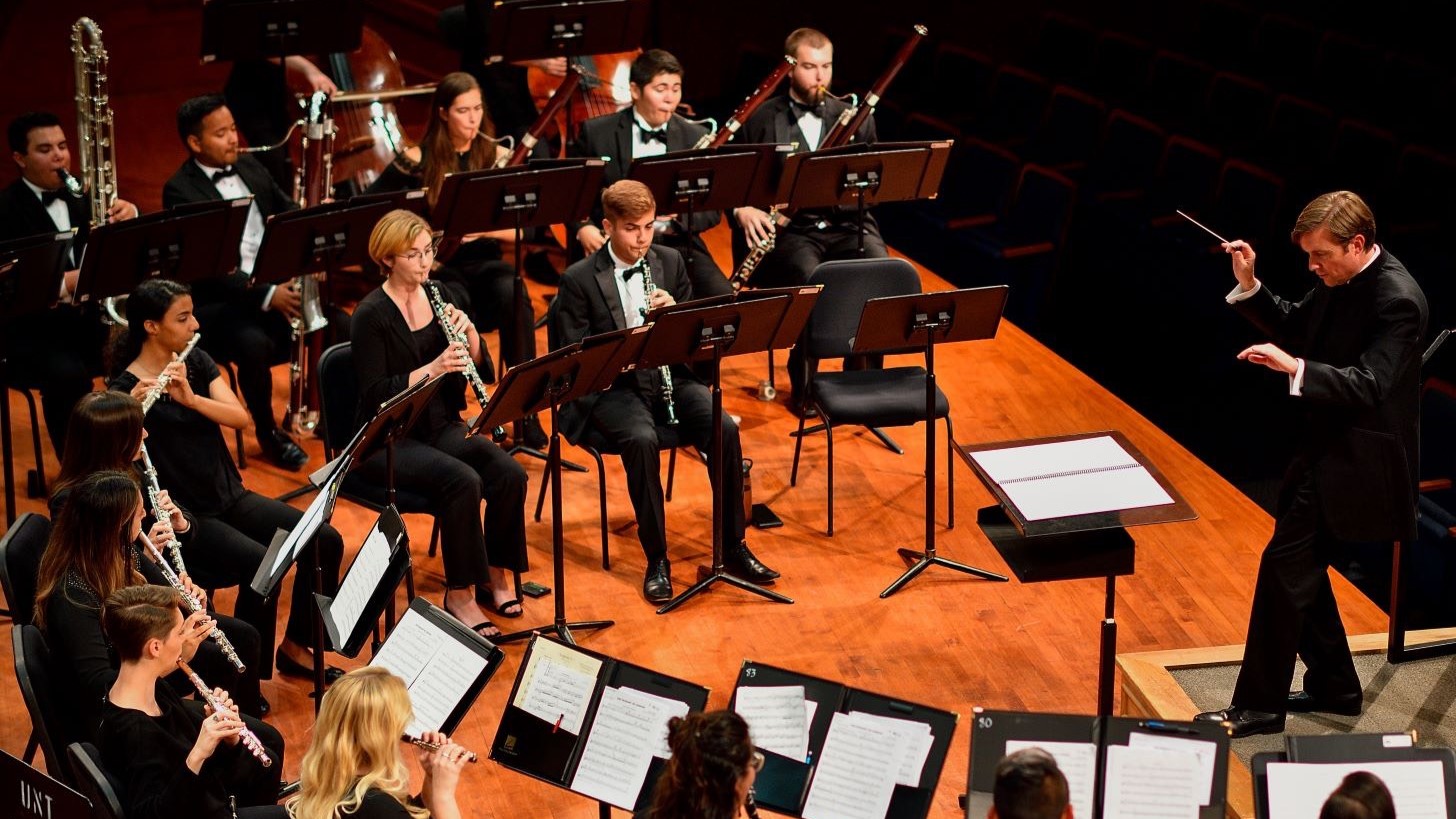
University of North Texas Wind Orchestra
College Band Directors National Association
Southwestern Division Conference
Andrew Trachsel, conductor
Amy Woody, guest conductor
Mark Ford, marimba
University Singers
Marques L. A. Garrett, director
Concert Choir
Jessica Nápoles, director
Southwestern Division Conference
Andrew Trachsel, conductor
Amy Woody, guest conductor
Mark Ford, marimba
University Singers
Marques L. A. Garrett, director
Concert Choir
Jessica Nápoles, director
Friday, February 27, 2026 · 7:30 p.m. · Denton, Texas
Concert program Ensemble Personnel Words of Welcome About the Soloist About the Ensemble About the ConductorsDivision of Conducting and Ensembles FACULTY About UNT Wind Studies About the College of Music Faculty-Staff Leadership
College Band Directors National Association
Southwestern Division Conference
February 25-28, 2026 | Denton, Texas
Concert Repertoire
Color Theory (2026) by Ryan Lindveit (b. 1994)
Brilliant Brushstrokes
Fluid Dynamics
Disruptive Coloration
Ringmaster to the Rainbow
CBDNA Premiere
Composer Biography
Born: 1994, in Houston, Texas
Resides: in Knoxville, Tennessee
Ryan Lindveit is a composer who takes inspiration from nature, art, science, technology, and personal experience in order to craft colorful and emotionally vivid musical journeys. His catalog includes works for orchestra, wind ensemble, chamber ensembles, soloists, voice, electronics, and visual media, and Lindveit enjoys collaborating with many different types of musicians, from young students to established professionals.
His works have been commissioned and performed by several distinguished ensembles and musicians including the Minnesota Orchestra, Alarm Will Sound, Akropolis Reed Quintet, “The President’s Own” U.S. Marine Band, the U.S. Navy Concert Band, the New York Youth Symphony, Sioux City Symphony Orchestra, and the wind ensembles at dozens of universities across the country. Ryan also composed the score for the four-part, Sam Elliott-narrated docuseries Honor Guard released on Amazon Prime. Lindveit is a recipient of the Charles Ives Scholarship from the American Academy of Arts and Letters, ASCAP Morton Gould Young Composer Award, BMI Student Composer Award and various honors from the National Band Association, Symphony in C, Tribeca New Music, and the Texas Music Educators Association, among others. His works have appeared at many festivals and conferences including the Aspen Music Festival, Santa Fe Chamber Music Festival, College Band Directors National Association Conferences (national and regional), Mizzou International Composers Festival, American Composers Orchestra Earshot New Music Readings, Next Festival of Emerging Artists, Red Note New Music Festival, the International Young Composers Meeting (Apeldoorn, NL), Singapore International Band Festival, Penn State International New Music Festival, and Sacramento State Festival of New American Music. Lindveit also won both the New Music for Orchestra and New Music for Wind Ensemble competitions at the University of Southern California.
A committed educator, he has taught composition, music theory, orchestration, film music, and music technology privately and at the collegiate level. He currently serves on the faculty of the Natalie L. Haslam College of Music at the University of Tennessee, Knoxville, where he received the 2025 Outstanding Faculty Creative/Scholarly Achievement Award. Lindveit is grateful for his music teachers in the public school system in Texas and to his mentors at the University of Southern California (BM), Yale University (MM, MMA), and the University of Michigan (DMA). Additionally, he earned the Certificate in Music Theory Pedagogy from the University of Michigan. At USC, he was selected as Salutatorian for the class of 2016 and named an Outstanding Graduate from the Thornton School of Music. His past teachers include Aaron Jay Kernis, Michael Daugherty, Frank Ticheli, Andrew Norman, Christopher Theofanidis, David Lang, Ted Hearne, Martin Bresnick, Bright Sheng, and Donald Crockett.
Program Notes
Work composed: 2025 (“Brilliant Brushstrokes”), commissioned by the University of Tennessee at Knoxville,
John Zastoupil, conductor; 2026 (Color Theory), commissioned by a consortium of fifteen universities, including the University
of North Texas
World premieres: “Brilliant Brushstrokes,” March 27, 2025 by the University of Tennessee at Knoxville
Wind Ensemble, John Zastoupil, conductor, at the College Band Directors National Association
(CBDNA) National Conference at Texas Christian University in Fort Worth, TX; Color Theory, February 22, 2026 by the University of Tennessee at Knoxville Wind Ensemble, John
Zastoupil, conductor, at Cox Auditorium in Knoxville, Tennessee, and February 27,
2026 by the University of North Texas Wind Orchestra, Andrew Trachsel, conductor,
at the CBDNA Southwestern Division Conference, Winspear Performance Hall, Denton,
Texas
Estimated duration: ca. 22 minutes
Lindveit provides the following in his program notes:
Color Theory is a four-movement symphonic suite for wind ensemble, approximately 22 minutes in duration. The term “color theory” describes the study of how colors influence perception and emotion through their innate qualities, blends, and contrasts. The four movements in Color Theory each correspond to specific instances of color in art, nature, and cinema, which by analogy informed my compositional choices related to timbre, orchestration, harmony, density, and energy.
“Brilliant Brushstrokes” is inspired by an overwhelmingly colorful and bold painting that the artist Beauford Delaney (1901–1979) painted on a fragment of his old raincoat when he was living in Paris in 1954. Delaney’s raincoat fragment overflows abstractly with swirls, rings, splotches, and lines of forest green, deep orange, bright yellow, fire-engine red, hazy gray, spacious white, peaceful azure, and deep ocean blue. Upon closer viewing, the seams and pockets of the cut-up raincoat are also visible, revealing that the fanciful artwork is the result of Delaney’s resourcefulness in the face of limited money and art supplies. As a fellow artist, I find Delaney’s unrelenting and restless impulse to be creative even when he lacked proper materials to be almost as inspiring as the painting itself. Although “Brilliant Brushstrokes” is tightly constructed around only a few melodic gestures, the music constantly cycles through changes in instrumental texture, density, harmony, and energy. Musical phrases are often cut off abruptly with a quick down-up gesture that I view as related to the stitched seams on the raincoat. Overall, the composition uses the vast and variegated color palette of the wind ensemble to capture the inventive spirit and brilliant dynamism of Delaney’s brushstrokes, splatters, and daubs.
“Fluid Dynamics” is inspired by the engineer-turned-artist Kim Keever (1955–2025), who was known for his kaleidoscopically colorful abstract photography, which he created by pouring paint into a 200-gallon tank of water in his studio. The music it inspired is slow, lyrical, blurry, mysterious, and harmonically rich and explores ever-evolving swirls and blends of gestures and timbre combinations.
“Disruptive Coloration” is a mischievous, playful scherzo that takes inspiration from the ways camouflage and mimicry are used in nature to dazzle and deceive. The namesake for the movement, disruptive coloration, is a camouflage strategy where contrasting patterns break up an animal’s outline, making it more difficult to see and identify against a background.
“Ringmaster to the Rainbow" is inspired by the work and artistic philosophy of Natalie Kalmus (1878–1965), who served as consultant on hundreds of Hollywood films in the 1930s and 1940s in her role as an executive in Technicolor’s art department. She described her role in these films as “playing ringmaster to the rainbow” because she controlled the types and amounts of color used in films such as The Adventures of Robin Hood, Gone with the Wind, and Scott of the Antarctic. By analogy, my role as a composer is similar: through orchestration, I have the power to supply instrumental color to listeners on a spectrum from pale restraint to vibrant superabundance. “Ringmaster to the Rainbow” takes inspiration from the sweep and drama of Golden Age Hollywood scores by composers like Erich Wolfgang Korngold, Ralph Vaughan Williams, and Max Steiner, filtered through the prism of my musical metabolism. Fanfares, swashbuckling flurries of activity, sweeping love themes, villainous stinger chords, and dramatic journey music coalesce into an earnest—and intentionally indulgent—finale for this symphonic suite.
Tonight’s performance is a consortium premiere, with the University of North Texas among the universities participating in the consortium.
Majestic Eyes, from the triptych Flamboyantly (2025) by Sungji Hong (b. 1973)
World Premiere
Composer Biography
Born: 1973, in South Korea
Resides: in Denton, Texas
Sungji Hong is an internationally recognized, award-winning composer whose music has been performed, commissioned, and broadcast throughout Europe, Asia, and the United States. Her work spans orchestral, choral, chamber, solo, and electroacoustic genres, and has been described by the American Academy of Arts and Letters as “at times complex and at times straightforward,” featuring “precise timbres that unfold dramatic, virtuoso gestures, iridescent colors, and vivid, atmospheric auras.”
Her honors include a Guggenheim Fellowship, a Civitella Ranieri Fellowship, and the Charles Ives Fellowship from the American Academy of Arts and Letters. She has received commissions from the Chicago Center for Contemporary Composition at the University of Chicago, the Fromm Music Foundation at Harvard University, the National Flute Association, the Texas Flute Society, the MATA Festival, Lorelei Ensemble, the Tongyeong International Music Festival, the Kumho Asiana Cultural Foundation, and the Seoul Philharmonic Orchestra, among others. Her Missa Lumen de Lumine, recorded on the ECM New Series and performed by Trio Mediaeval, received international critical acclaim and reached the Top Ten on both the Billboard Classical and iTunes Classical charts. Her music has been released on ECM, Dutton, Atoll, and Universal Music Korea.
Hong’s works have been performed in more than 48 countries and 258 cities worldwide by leading orchestras and ensembles, including the Seoul Philharmonic Orchestra, City of London Sinfonia, Jenaer Philharmonie, Thessaloniki State Symphony Orchestra, Oviedo Filarmonía, and the Radio Television of Serbia Symphony Orchestra, as well as ensembles such as the Arditti String Quartet, Ensemble Intercontemporain, Ensemble Linea, Ensemble Accroche Note, Kammerensemble Neue Musik Berlin, and Ensemble TIMF.
Born in Seoul, Sungji Hong studied composition at Hanyang University with Kyungsun Suh, at the Royal Academy of Music in London with Robert Saxton and Paul Patterson, and at the University of York with Nicola LeFanu. Since 2018, she has taught composition at the University of North Texas College of Music, where she currently serves as Associate Professor of Composition. Her works are published by Sungji Hong Music and Tetractys Publishing.
Program Notes
Work composed: 2025, commissioned by the University of North Texas Wind Orchestra, written for conductor
Andrew Trachsel; full work anticipated in 2027
World premiere: February 19, 2026 by the University of North Texas Wind Orchestra, Andrew Trachsel,
conductor, Winspear Performance Hall, Denton, Texas; CBDNA premiere, February 27,
2026 by the University of North Texas Wind Orchestra, Andrew Trachsel, conductor at
Winspear Performance Hall, Denton, Texas, for the CBDNA Southwestern Division Conference
Estimated duration: ca. 8 minutes
Hong offers the following regarding her work:
Majestic Eyes is the final movement of the triptych Flamboyantly and is presented here on its own. The work draws inspiration from the sixth-century Christ Pantocrator icon from Saint Catherine’s Monastery in the Sinai Peninsula of Egypt, a landmark of early Byzantine art. The intensity of the gaze in this portrait, direct and commanding, provided a conceptual spark for the musical character of the movement.
The music opens with a grand tutti chord that sets the ensemble in motion. This powerful sonority acts as an audible ignition and establishes the scale of the musical landscape. In the early measures, a recurring crescendo appears in the low instruments, introducing a rising dynamic drive that becomes central to the movement. In the second section, this swell moves to the foreground and is taken up by the full ensemble, becoming the primary force shaping the larger structure. Within each swell, the texture remains active, with shifting harmonic color, expanding registers, and evolving timbral combinations.
Majestic Eyes was commissioned by and first performed by the University of North Texas Wind Orchestra at the Winspear Performance Hall at the Murchison Performing Arts Center, Denton, Texas. The work was written for conductor Andrew Trachsel.
“If It Goes About Us”
from Marimba Concerto for Wind Ensemble (2022) by Mark Ford (b. 1958)
Mark Ford, marimba
Composer Biography
Born: 1958
Resides: in Corinth, Texas
Mark Ford is a marimba artist and the Coordinator of Percussion at The University of North Texas College of Music in Denton, Texas. As a Past-President of the Percussive Arts Society and the coordinator of one of the largest percussion programs in the world at UNT, Ford is an active performer and composer. Mark has been featured as a marimba soloist throughout the United States at universities, festivals and music conferences. He has performed internationally throughout Europe as well as in Japan, China, Taiwan, Australia and South America. In addition to his duties at UNT, Ford is also the Artistic Director for the bi-annual Drum Fest Marimba/Vibraphone Competition in Opole, Poland.
With over four decades of performing, teaching and composing to his credit, Mark’s recordings have established his dedication to excellence in music. Ford’s solo marimba CDs, Stealing a Moment, Motion Beyond and Polaris, have become standards in the percussion world. His CDs have been described by PAS’ Percussive Notes as “beautiful, exceptional and virtuosic.” Contact, with the UNT Wind Symphony conducted by Eugene Corporon features Mark performing marimba and percussion concertos by Jennifer Higdon, Daniel McCarthy, Keiko Abe and Ford.
Additionally, Ford has written popular works for solo marimba and percussion ensemble including Head Talk, Polaris, Stubernic, Afta-Stuba! CABASA!, Wink for Alto-Saxophone, Marimba, Coffee Break (co-composed with Ewelina Ford) and many others. Mark’s latest work, Concerto for Marimba and Wind Ensemble (2022) was recently premiered in Australia by the Melbourne Conservatorium Wind Symphony directed by Nicholas Enrico Williams. His Stubernic Fantasy Concerto (2012) has been recorded on 5 albums and performed on tour by the US Navy Band, the US Air Force Band and numerous university wind ensembles. His percussion compositions have been performed at universities and concert halls throughout the world and also featured on National Public Radio.
Ford is also the author of Marimba: Technique Through Music (Musicon Publications), an intermediate four-mallet marimba method book, used by
conservatories and schools of music around the world. His latest book, #MarimbaBaby, has received critical acclaim and is established as a progressive educational songbook
for marimba.
Ford has been recognized as a leading percussion educator, and his former students
perform and teach throughout the USA. Under his direction the UNT Percussion Ensemble
has toured in Poland, Croatia, France and Belgium and also won the PAS International
Percussion Ensemble Competition.
Mark Ford is the Artistic Educational Director for Tama/Bergerault and also proudly represents Sabian Cymbals, Evans Drum Heads, Musicon Publications, Meinl Percussion and Innovative Percussion Inc. as performing artist and clinician.
Program Notes
Work composed: 2023
World premiere: October 9, 2022 by the University of Melbourne Wind Symphony, Mark Ford, marimba,
Nicholas Williams, conductor; United States premiere April 21, 2023 by the University
of North Texas Wind Orchestra, Mark Ford, marimba, Andrew Trachsel, conductor
Estimated duration: 7 minutes
Commissioned by the Melbourne Conservatorium of Music Wind Symphony, Marimba Concerto for Wind Ensemble (2022) is dedicated to University of North Texas alumnus and former faculty member, Dr. Nicholas Williams.
Ford expresses the following about his work:
For me music has always been organic. Whether playing in a concert band, an orchestra, a rock band, a jazz band, or as a soloist, the “feeling” of music has always been my initial connection with expression. How the music makes me feel and move is equally important as the sounds I’m hearing and crafting. So when my dear friend Professor Nicholas Williams asked me to compose a work for the Melbourne Conservatorium Wind Ensemble, the first thing I had to consider was “what feeling did I want to embrace for this music?” I knew that someday I would make the time to compose a concerto for marimba and now the opportunity was before me, but I was not sure where to start. I had to have more to compose a major work for wind ensemble, I had to have a story to tell. In March of 2020 I was preparing for an exciting trip to perform and teach in Amsterdam, The Netherlands and then a week in St. Petersburg, Russia. My wife, Ewelina, flew from Dallas, Texas with our daughter, Emily (age 5) to Poland about a week before I was set to leave for Amsterdam.
Our plan was to let Emily get over jet lag and become settled with her grandmother. Then Emily would stay with grandma for a week while Ewelina would fly to meet me in St. Petersburg. We were excited about exploring this unique city and also about hearing new music during the festival there. Well, unfortunately none of this beautiful adventure happened as planned…. A day before I was to fly to Europe COVID-19 took over the world, flights and events were canceled, and the Pandemic of 2020 began. I was stuck in Texas and Ewelina and Emily were stranded in Opole, Poland. Of course, we felt that this was just a temporary problem at first, but our separation turned out to be difficult and serious as it lasted months.
So here I was, in our house with a marimba, a piano and a computer and many feelings of frustration, anger, and loneliness. I decided that I needed to put these feelings into my Concerto for Marimba. The first movement, “Exile,” is centered around a beautiful love song for my wife but twisted by a separation out of our control. The mysterious opening cites the beginning notes of the love song but quickly becomes tense before the marimba enters. Eventually the love song is presented fully before becoming distorted as the movement builds to a climactic ending. The second movement, “Moon Chasers,” is based on an earlier marimba solo I wrote for Ewelina. The title refers to two people in love separated by distance and connected only by the moon. I utilize the piano, harp, celeste, and vibraphone for imagery of the night as the moon moves across the sky.
The third movement, “If It Goes About Us,” is a dance of joy. Being together and sharing the beauty and trials in life together is everything. This music is a celebration of how we can rise above major problems (such as a pandemic) and still find joy and love in life. And after exactly 100 days of separation, Ewelina and Emily were able to fly home to Texas and we were reunited. It is a day I will never forget and my feelings for this experience are in the music you will experience tonight.
Vincent’s Sky (2025) by Jake Runestad (b. 1986)
Olive Trees
Wheatfield with Crows
The Starry Night
University Singers and Concert Choir
Consortium Premiere
Composer Biography
Born: 1986 in Rockford, Illinois
Resides: Minneapolis, Minnesota
Jake Runestad is an American composer. Considered “one of the best of the younger American composers” (Chicago Tribune), Runestad holds a master’s degree in composition from the Peabody Conservatory of the Johns Hopkins University where he studied with Pulitzer Prize-winning composer Kevin Puts. He has also studied extensively with acclaimed composer Libby Larsen.
Runestad is an award-winning and frequently performed composer of “highly imaginative” (Baltimore Sun) and “stirring and uplifting” (Miami Herald) musical works. He has received commissions and performances from leading ensembles and organizations such as Washington National Opera, the Netherlands Radio Choir, the Dallas Symphony Orchestra, the Santa Fe Desert Chorale, Seraphic Fire, the Louisiana Philharmonic Orchestra, the Philippine Madrigal Singers, Craig Hella Johnson and Conspirare, and many more. Jake’s visceral music and charismatic personality have fostered a busy schedule of commissions, residencies, workshops, and speaking engagements.
Program Notes
Work composed: 2025, commissioned by a consortium of twenty-five university ensembles, including
the University of North Texas Wind Orchestra, University Singers, and Concert Choir,
Andrew Trachsel, Marques L. A. Garrett, and Jessica Nápoles, conductors
World premiere: October 26, 2025 by the Capital University Symphonic Winds, Chamber Choir, and Columbus
Choral Artists, Ishbah Cox and Lynda Hasseler, conductors
Estimated duration: ca. 16 minutes
Of his work, Vincent’s Sky, Runestad writes:
Vincent van Gogh’s often-told history includes his “unsuccessfulness” as a painter in his lifetime, how he cut off his ear, and his struggle with mental illness. But what is not often discussed is his beautiful approach to the world and to others; he loved deeply, he was generous to those in need, and sought beauty wherever he looked. Yes, he had major battles with his mental illness (and what many doctors believe was temporal lobe epilepsy), but most importantly: Vincent taught us to see the beauty of the world in a new way.
Walt Whitman, though living and creating an ocean away, shared many similarities with Vincent (and in his letters, Vincent wrote about reading and admiring Whitman). They were both largely self-taught and well-read, they sought jobs where they could help others, and saw the world in a way many people did not—a unique insight that shone through in their art. I imagine that Vincent was deeply inspired by Whitman’s words, and I feel this is evident in the scenes that Vincent captured in his paintings.
In Vincent’s Sky, I attempt to capture Vincent’s emotional state surrounding three of his paintings, influenced by the words of Whitman. I used a musical cryptogram, assigning pitches to letters, to spell words that would inform the musical content. For example, “VINCENT” is spelled with the notes A, B, G, C, E, G, F. Photos of the paintings are available on this work’s page on my website (JakeRunestad.com).
“Olive Trees”: This painting pulsates with yellow rays emanating from the sun over a field of olive trees. Vincent associated yellow with happiness, and Whitman’s text for this movement celebrates color and light.
“Wheatfield with Crows”: While this movement opens with a soaring admiration for the beauty of the earth, Vincent’s thoughts are soon overtaken by hallucinations, ghostly voices, and chaos. The dark, stormy sky and presence of crows (a symbol of death) foreshadow difficulties ahead. Vincent wrote in his letters about having hallucinations of the Horla during his psychotic episodes. "The Horla," a story written by Guy de Maupassant in 1886, depicts the possession of the main character by a supernatural being after he waved to a “superb three-mast ship,” and how this being gradually takes over his mind.
“The Starry Night”: Vincent’s most iconic painting of the night sky is adapted from the view from his bedroom window at the Saint-Paul Asylum in Saint-Rémy-de-Provence where he admitted himself after a severe mental health crisis. Vincent’s fight against the “silent shadows” of his inner world come to life in the beauty of this night scene, in which the sky swirls with color and the stars shimmer with light. Whitman’s words bring us the hopeful twinkling of the stars in the face of life’s darkness.
Text
(Whitman texts in regular font, van Gogh texts in italics.)
I. Olive Trees
Shine!
Pour down your warmth, great sun!
Shot gold, maroon and violet, dazzling silver, emerald, fawn, the earth’s whole amplitude
consigned to colors; pure luminous color fighting the silent shadows to the last.
Prepare my lengthening shadows, prepare my starry nights.
II. Wheatfield with Crows
The whole of nature is so indescribably beautiful. I never tire of the blue sky. Pure
luminous color. This infinite earth, that infinite sky.
My life is under attack at the very root. I have set to work again, although the brush
is nearly falling from my hands. I have painted three more large canvases—they are
vast stretches of wheat under troubled skies—and I didn’t have to try very hard in
order to express sadness and extreme loneliness.
Il me semble absurde que les hommes veuillent paraitre autre chose que ce qu’ils sont.
(It seems absurd to me that men want to appear something other than what they are.)
Un soleil dans la tete et un orage dans le coeur. (A sun in the head and a storm in
the heart.)
Wild, wild the storm, and the sea high running,
Steady the roar of the gale, with incessant undertone muttering, Shouts of demonic
laughter fitfully piercing and pealing, Waves, air, midnight, their savagest trinity
lashing.
III. The Starry Night
I hear you whispering there, O stars of heaven.
Up through the darkness, the ravening clouds shall not long be victorious.
The stars are immortal, they shall shine out again. They will endure. The vast immortal
suns, and long-enduring moons, shall shine again.
And over all, the sky—the sky! far out of reach, breaking out, the eternal stars.
My lengthening shadows...my starry nights.
Excerpts from letters by Vincent van Gogh and poetry by Walt Whitman, adapted by Jake Runestad.
“The Shoes That Were Danced to Pieces”
from Grimm Tales (2023) by Bruce Broughton (b. 1945)
Amy Woody, conductor
Composer Biography
Born: March 8, 1945 in Los Angeles, California
Resides: Pasadena, California
Bruce Broughton is an American composer best known for his extensive body of work for film and television. His motion picture scores include Silverado, Tombstone, The Rescuers Down Under, The Presidio, Miracle on 34th Street, Homeward Bound, and Harry and the Hendersons. His television work includes themes for The Orville, JAG, Steven Spielberg’s Tiny Toon Adventures, and Dinosaurs, as well as scores for miniseries such as Texas Rising and The Blue and the Gray, television films including Warm Springs and O, Pioneers!, and numerous episodes of long-running series such as Dallas, Quincy, Hawaii Five-O, and How the West Was Won.
Broughton has received 24 Emmy nominations and has won a record 10 Emmy Awards. His score for Silverado was nominated for an Academy Award, and his score for Young Sherlock Holmes received a Grammy nomination. His music has been featured in Disney theme park attractions worldwide, and his score for Heart of Darkness was the first orchestral score recorded for a video game. In 2016, he arranged a commercial album of songs from motion pictures and Broadway for entertainer Seth MacFarlane.
In addition to his screen work, Broughton has composed an extensive catalog of concert music. His works have been performed by major ensembles including the Cleveland Orchestra; the Chicago, Seattle, and National Symphony Orchestras; the Los Angeles Chamber Orchestra; the Sinfonia of London; and at the Hollywood Bowl. Notable compositions include Fanfare for 16 Horns, jointly commissioned by the Los Angeles Philharmonic and the International Horn Society; Modular Music for the Los Angeles Chamber Orchestra; The Magic Horn; symphonic wind works such as In the World of Spirits and A Celebration Overture; and brass works including Fanfares, Marches, Hymns and Finale and Masters of Space and Time. His chamber music has also been widely performed and recorded, including Five Pieces for Piano (recorded by Gloria Cheng), Excursions for trumpet and band (recorded by Philip Smith), and the string quartet Fancies, commissioned and recorded by the Lyris Quartet.
Broughton serves on the board of ASCAP and is a former governor of both the Academy of Television Arts and Sciences and the Academy of Motion Picture Arts and Sciences. He is a past president and founding member of the Society of Composers and Lyricists and has taught composition and orchestration at USC’s Thornton School of Music and the UCLA Herb Alpert School of Music. He currently serves as Composer-in-Residence at the University of North Texas College of Music.
Program Notes
Work composed: 2023, for the Atlanta Youth Wind Symphony, Scott Stewart, conductor
World premiere: Partial premiere June 9, 2023 in Carnegie Hall by the Atlanta Youth Wind Symphony,
Scott Stewart, conductor; full premiere November 16, 2023 by the University of North
Texas Wind Orchestra, Andrew Trachsel, conductor
Estimated duration: ca. 6 minutes 30 seconds
Unlike many iterations of Grimm’s Fairy Tales, Grimm Tales (2023) is not the “Disney-fied” version of its literary origins. This work closely resembles the sinister and grotesque vignettes as they were originally written. Collected by the Grimm brothers and first published in 1812–1815, the tales were revised and translated, later becoming one of the most influential and famous collections of folklore in literary history.
About Grimm Tales, Broughton recounts the following:
There are 211 stories in Grimm’s Fairy Tales, including Snow White, Sleeping Beauty, Red Riding Hood, Rapunzel, Hansel and Gretel, and Rumpelstiltskin, many of which have become well known in popular culture through animated features, live-action movies, operas, ballet, and theatre. In these recountings, we discover magic and trickery, murder and mutilation, talking animals, lost children, evil stepmothers, princes and princesses, giants and elves, and heroes and villains locked in fate and misfortune. First-time readers are often shocked to discover that these dark, twisted, and frequently gruesome tales, while appealing, do not match the “happily-ever-after” versions they’ve heard before bedtime or watched in popular cartoons.
Tonight’s movement is based on the folktale commonly known as “The Twelve Dancing Princesses,” also called “The Shoes That Were Danced to Pieces.” A king discovers that although his twelve daughters are locked in their shared bedchamber each night, their shoes are worn through every morning. After many suitors fail to solve the mystery, an old soldier accepts the challenge. With the aid of an invisibility cloak and by feigning sleep, he follows the princesses through a hidden passage, observing their journey through enchanted groves, across a lake, and to a castle where they dance until dawn with twelve princes. After three nights, the soldier presents evidence of their secret to the king, the princesses confess, and he is rewarded with the hand of the eldest princess and the inheritance of the kingdom, while the princes are cursed for the nights they danced.
Flying Jewels (2021) by James David (b. 1978)
Composer Biography
Born: 1978 in Cairo, Georgia
Resides: in Fort Collins, Colorado
James M. David is an American composer and Professor of Music Theory and Composition at Colorado State University. A native of southern Georgia, David began his musical training under the guidance of his father, Joe A. David III, a highly respected high school band director and professor of music education. This heritage is evident in David’s compositional voice, which blends strong influences of jazz and Southern traditional music with contemporary musical idioms.
David holds degrees in music education and composition from the University of Georgia and the Florida State University College of Music. His principal composition teachers include Guggenheim Fellow Ladislav Kubik, Pulitzer Prize–winning composer Ellen Taaffe Zwilich, Lewis Nielson, and Clifton Callender. He also studied jazz composition and arranging with legendary composer and arranger Sammy Nestico.
David’s symphonic works have been widely performed and recorded by leading ensembles, including the U.S. Air Force Band, the U.S. Army Band “Pershing’s Own,” the U.S. Army Field Band, the U.S. Navy Band, the Des Moines Symphony Orchestra, the Fort Collins Symphony Orchestra, the Showa Wind Symphony (Japan), the Osaka Shion Wind Orchestra, and the North Texas Wind Symphony. His music has been featured at more than eighty national and international conferences, among them the Midwest Clinic, the College Band Directors National Association Biennial Conference, the American Bandmasters Association Convention, the World Association for Symphonic Bands and Ensembles Conference, and numerous international instrumental festivals.
Among his honors, David is the recipient of the 2025 CBDNA Frederick Fennell Prize and the 2022 William D. Revelli Composition Contest Award for Symphony No. 2, “The Road Is Life,” which was commissioned by a consortium of wind conductors led by Dr. Andrew Trachsel (University of North Texas) and Dr. Rebecca Phillips (Colorado State University). The symphony is dedicated to composers David Amram and Sammy Nestico. He is a three-time finalist for the Sousa–ABA Ostwald Award, a recipient of the ASCAP Morton Gould Award, and has received national honors from the Music Teachers National Association and the National Association of Composers (USA). His works have been commissioned by the National Band Association, the Atlantic Coast Conference Band Directors Association, Joseph Alessi (New York Philharmonic), John Bruce Yeh (Chicago Symphony Orchestra), James Markey (Boston Symphony Orchestra), and numerous university faculty and ensembles. His music appears on over twenty commercially released recordings on labels including Naxos, Summit, Albany, Parma, MSR Classics, and GIA Windworks. Dr. David is an elected member of the American Bandmasters Association and an honorary member of Phi Mu Alpha Sinfonia.
Program Notes
Work composed: 2021, commissioned by the United States Air Force Band, Col. Don Schofield, commander
and conductor
World premiere: Video premiere December 9, 2021 by the United States Air Force Band, Col. Don Schofield,
commander and conductor; live premiere February 25, 2022 at the New Jersey Music Educators
Association conference by the United States Air Force Band, Col. Don Schofield, commander
and conductor
Estimated duration: ca. 10 minutes 30 seconds
Flying Jewels is a symphonic poem for wind ensemble that attempts to capture the joyous and hopeful spirit of a famous essay by the late author Brian Doyle. The title refers to how Europeans described hummingbirds when first encountering them in North America. Doyle’s essay muses on how intensely and passionately these tiny birds live their lives, with their hearts beating “ten times a second.” He also considers the blue whale’s giant heart, which beats as little as eight times a minute and can be heard from miles away. Ultimately, the essay asserts the connection that all people and creatures share: we all have one heart that carries us through life’s struggles, victories, and simple pleasures. My composition deals with the themes of Doyle’s essay by depicting the heart rhythms of different creatures through various metric/tempo modulations and relationships. First is the hummingbird, flitting about with bright flourishes from woodwinds and metallic percussion at superhuman speeds. A reptile’s three-chambered heart is heard next with nods to the triple-meter dances of the Caribbean. At the center of the work is the human heart, which is a simple tune that slowly builds to a cadence at the heart rate of a blue whale: four giant chords that resound under the ocean depths. Finally, the work recapitulates each idea while gaining speed to combine all of the tempi in an exuberant and ecstatic finale. This work was commissioned by the United States Air Force Band, Col. Don Schofield, commander and conductor.
North Texas Wind Orchestra Personnel
Andrew Trachsel, conductor
Flute
Devon Devonish-Sanchez
Olivia Friedemann
Sarah Hinchey
Chen-Yu (James) Lee
Kaitlyn Maresca
Emma Martin
Oboe
Wan Chi Chang
Logan Pierce
Ava Raymond
Anna Sinosic
Bassoon
Gabrielle Gunn
Anthony Jordan
Raul Rodriguez
Fiona Theriault
Clarinet
Joseph Bellew
Trevor Brutka
Joshua Collins
Lane Dunman
Landon Foy
Valentina Gomez
Julian Johnson
Dominick McCaskill
Devon Devonish-Sanchez
Olivia Friedemann
Sarah Hinchey
Chen-Yu (James) Lee
Kaitlyn Maresca
Emma Martin
Oboe
Wan Chi Chang
Logan Pierce
Ava Raymond
Anna Sinosic
Bassoon
Gabrielle Gunn
Anthony Jordan
Raul Rodriguez
Fiona Theriault
Clarinet
Joseph Bellew
Trevor Brutka
Joshua Collins
Lane Dunman
Landon Foy
Valentina Gomez
Julian Johnson
Dominick McCaskill
Clarinet
Taylor Mennenga
Nguyen Nguyen
Elijah Paterson
Sam Poage
Renae Rea
Jacob Rodeghero
Beatrice Saffer
Addison Vontroba
Jilin Zhang
Saxophone
Jordan Calhoun
Jackson Cutter
Jinkai Li
Jacob Ryter
Xuanzhou Wang
Trumpet
Zuzanna Belka
Joshua Craig
Xzaviah Milton
Shawn Paniagua
Alejandro Sigala
Abigail Striblen
David Vazquez
Taylor Mennenga
Nguyen Nguyen
Elijah Paterson
Sam Poage
Renae Rea
Jacob Rodeghero
Beatrice Saffer
Addison Vontroba
Jilin Zhang
Saxophone
Jordan Calhoun
Jackson Cutter
Jinkai Li
Jacob Ryter
Xuanzhou Wang
Trumpet
Zuzanna Belka
Joshua Craig
Xzaviah Milton
Shawn Paniagua
Alejandro Sigala
Abigail Striblen
David Vazquez
Horn
Aiden Cartwright
Jackson Dillard
Deija Nunn
Bradley Oates
Cole Self
Yung Chi
(Wendy) Yang
Trombone
Gianluca Castro
Lewis Cowart
Charles Hayley
Ethan Scranton
Bass Trombone
Robyn Byrd
Paul Henry
Euphonium
Marco Alzaitoun
Yu-Hsuan Li
Chase Thomas
Tuba
Dan Feng
Kat Garman
Dante Sanor
Aiden Cartwright
Jackson Dillard
Deija Nunn
Bradley Oates
Cole Self
Yung Chi
(Wendy) Yang
Trombone
Gianluca Castro
Lewis Cowart
Charles Hayley
Ethan Scranton
Bass Trombone
Robyn Byrd
Paul Henry
Euphonium
Marco Alzaitoun
Yu-Hsuan Li
Chase Thomas
Tuba
Dan Feng
Kat Garman
Dante Sanor
Percussion
Natalie Garms
Oscar Ibanez
Madison McPherson
Aiden Moulder
Christian Mullino Holden
Alexis Olvera
Trey Thompson
Diego Tiessen
Keyboard
Ziyi Li
Teyo Gutierrez
Harp
Isabellagrace Ebo
Ella Kim
Double Bass
Makayla McDonough
Chenhong Shi
Conducting Associates
Melinda Coleman
Carlos Granthon Boy
Katharine Reed
Nathan Wise
Graduate Associates
Caeley Hovanec
Stoney Shelton
Natalie Garms
Oscar Ibanez
Madison McPherson
Aiden Moulder
Christian Mullino Holden
Alexis Olvera
Trey Thompson
Diego Tiessen
Keyboard
Ziyi Li
Teyo Gutierrez
Harp
Isabellagrace Ebo
Ella Kim
Double Bass
Makayla McDonough
Chenhong Shi
Conducting Associates
Melinda Coleman
Carlos Granthon Boy
Katharine Reed
Nathan Wise
Graduate Associates
Caeley Hovanec
Stoney Shelton
University Singers Personnel
Marques L.A. Garrett, conductor
Christian Anderson
Ian Baez Matos
Faye Barber
Megan Cornejo
August Crowson
Kathryn Davidson
Marianna Delgadillo
Christian Eddington
Landry Escobedo
Ian Baez Matos
Faye Barber
Megan Cornejo
August Crowson
Kathryn Davidson
Marianna Delgadillo
Christian Eddington
Landry Escobedo
Autumn Forgey
Aydric Griffin
Ty Holcomb
Julia Houting
Preston Johnson
Ellyse Joseph
Ashton Landry
Alena Law
Danika Locey
Aydric Griffin
Ty Holcomb
Julia Houting
Preston Johnson
Ellyse Joseph
Ashton Landry
Alena Law
Danika Locey
Ethan Matous
Wyatt McNeely
Elena Menasco
Alexis Mendoza-Sánchez
Kade Miller
José Nava
Anabelle Parra
Ian Pfaffenberger
Jay Quinn II
Wyatt McNeely
Elena Menasco
Alexis Mendoza-Sánchez
Kade Miller
José Nava
Anabelle Parra
Ian Pfaffenberger
Jay Quinn II
Justin Reece
Kaitlyn Rivera
Sean Roossien
Alyssa Schelski
Connor Sturgeon
Adriana Sweet
Milo Warrior
Maddie White
Jackson Whitmire
Kaitlyn Rivera
Sean Roossien
Alyssa Schelski
Connor Sturgeon
Adriana Sweet
Milo Warrior
Maddie White
Jackson Whitmire
Concert Choir Personnel
Jessica Nápoles, conductor
Soprano
Ellen Beene
Anya Guidry
Riley Higgins
Mia Jamison
Cadence Jansen
Kassie Kaluf
Caroline Konkle
Rebecca Lang
Kris Nearhood
Angie Smith
Sophia Sweny
Emberly Whitley
Ellen Beene
Anya Guidry
Riley Higgins
Mia Jamison
Cadence Jansen
Kassie Kaluf
Caroline Konkle
Rebecca Lang
Kris Nearhood
Angie Smith
Sophia Sweny
Emberly Whitley
Alto
Megan Cornejo
Marianna Delgadillo
Julianna Estrada
Maddie Frost
Abigail Garner
Grace Glaser
Abigail Lewis
Kade Miller
Karson O'Neal
Connie Ruiz
de Vinaspre
Ed Schultz
Sofia Torbello
Megan Cornejo
Marianna Delgadillo
Julianna Estrada
Maddie Frost
Abigail Garner
Grace Glaser
Abigail Lewis
Kade Miller
Karson O'Neal
Connie Ruiz
de Vinaspre
Ed Schultz
Sofia Torbello
Tenor
Luke Barsun
Jade Breitstein
Jakob Burnham
Alek Gonzalez
Davide Gucciardi
Sam McGlamery
Nick Navarro
La'Casion Newton
Austin Russ
Alex Stroud
Elijah Williams
Luke Barsun
Jade Breitstein
Jakob Burnham
Alek Gonzalez
Davide Gucciardi
Sam McGlamery
Nick Navarro
La'Casion Newton
Austin Russ
Alex Stroud
Elijah Williams
Bass
Evan Barnes
Eli Barreto
Andrew Eggers
Gabriel Emig
Silas Franklin
Jimmy
Hademenos
Collin Huffman
Jaden Jackson-
Cooper
Jaden Johnson
Luke Lawless
Connor
McLeod
Reece Mooney
Demetrius
Robinson Jr.
Rowan
Simmons
Jaedon Trevino
Marc Villaceran
Evan Barnes
Eli Barreto
Andrew Eggers
Gabriel Emig
Silas Franklin
Jimmy
Hademenos
Collin Huffman
Jaden Jackson-
Cooper
Jaden Johnson
Luke Lawless
Connor
McLeod
Reece Mooney
Demetrius
Robinson Jr.
Rowan
Simmons
Jaedon Trevino
Marc Villaceran
Words of Welcome from Dean John W. Richmond, Ph.D.
Dear distinguished colleagues,
It is my distinct pleasure to extend a warm welcome to all attendees of the 2026 College Band Directors National Association Southwestern Division Conference to the University of North Texas College of Music. This gathering brings together an extraordinary community of conductors, performers, scholars, and educators who share a deep commitment to advancing the wind band art form.
Our conference schedule features four days of concerts, research presentations, rehearsals, workshops, and conversations designed to foster connection and growth. From the opening performance by the Lone Star Wind Orchestra on Wednesday evening to the culminating performance of the Intercollegiate Honor Band on Saturday, each day offers opportunities for artistic inspiration and professional enrichment.
At the University of North Texas College of Music, our mission is “…to serve our diverse musical culture with excellence, integrity, and imagination.” Hosting this year’s CBDNA Southwestern Division Conference is a vivid embodiment of that mission, and we take great pride in welcoming you to our campus and community.
May your time here be filled with meaningful dialogue, moving performances, and renewed passion for the transformative power of wind music. We wish you an engaging, uplifting, and memorable conference experience.
Sincerely,
John W. Richmond, Ph.D.
Professor and Dean of the College of Music
University of North Texas
About the Soloist
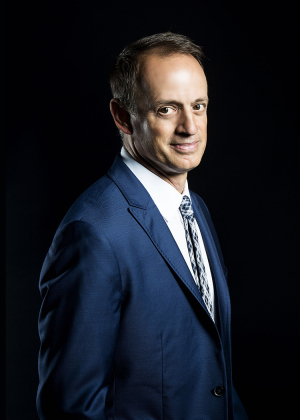
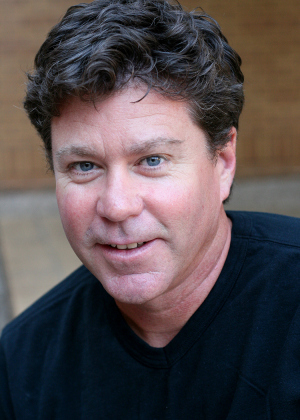
Mark Ford, Regents Professor of Percussion and Percussion Area Coordinator
Mark Ford is a marimba artist and the Coordinator of Percussion at The University of North Texas College of Music in Denton, Texas. As a Past-President of the Percussive Arts Society and the coordinator of one of the largest percussion programs in the world at UNT, Ford is an active performer and composer. Mark has been featured as a marimba soloist throughout the United States at universities, festivals and music conferences. He has performed internationally throughout Europe as well as in Japan, China, Taiwan, Australia and South America. In addition to his duties at UNT, Ford is also the Artistic Director for the bi-annual Drum Fest Marimba/Vibraphone Competition in Opole, Poland.
With over four decades of performing, teaching and composing to his credit, Mark’s recordings have established his dedication to excellence in music. Ford’s solo marimba CDs, Stealing a Moment, Motion Beyond and Polaris, have become standards in the percussion world. His CDs have been described by PAS’ Percussive Notes as “beautiful, exceptional and virtuosic.” Contact, with the UNT Wind Symphony conducted by Eugene Corporon features Mark performing marimba and percussion concertos by Jennifer Higdon, Daniel McCarthy, Keiko Abe and Ford.
Additionally, Ford has written popular works for solo marimba and percussion ensemble including Head Talk, Polaris, Stubernic, Afta-Stuba! CABASA!, Wink for Alto-Saxophone, Marimba, Coffee Break (co-composed with Ewelina Ford) and many others. Mark’s latest work, Concerto for Marimba and Wind Ensemble (2022) was recently premiered in Australia by the Melbourne Conservatorium Wind Symphony directed by Nicholas Enrico Williams. His Stubernic Fantasy Concerto (2012) has been recorded on 5 albums and performed on tour by the US Navy Band, the US Air Force Band and numerous university wind ensembles. His percussion compositions have been performed at universities and concert halls throughout the world and also featured on National Public Radio.
Ford is also the author of Marimba: Technique Through Music (Musicon Publications), an intermediate four-mallet marimba method book, used by conservatories and schools of music around the world. His latest book, #MarimbaBaby, has received critical acclaim and is established as a progressive educational songbook for marimba.
Ford has been recognized as a leading percussion educator, and his former students perform and teach throughout the USA. Under his direction the UNT Percussion Ensemble has toured in Poland, Croatia, France and Belgium and also won the PAS International Percussion Ensemble Competition. Mark Ford is the Artistic Educational Director for Tama/Bergerault and also proudly represents Sabian Cymbals, Evans Drum Heads, Musicon Publications, Meinl Percussion and Innovative Percussion Inc. as performing artist and clinician.
About the Ensembles
The Wind Orchestra has developed an exemplary national reputation for their performances and recordings. Membership is drawn from the finest musicians attending the College of Music. The highest quality contemporary music—mixed with traditional and standard literature—make up the foundation of repertoire performed by the group. The ensemble is dedicated to playing outstanding and challenging works of diverse musical styles while furthering wind music of artistic and historical significance. The Wind Orchestra has performed at the Southwest Regional College Band Directors National Association Convention and has released more than 15 CD recordings on the Mark, Klavier, GIA, and Eurosound labels. Critical comments include “Bravo…for a resplendent performance!”; “…played with great gusto by the ensemble”; “played with brilliance!”; “the elegant sonority of this marvelous band is apparent in the slow sections”; “The attention to detail, precise intonation, and beautiful phrasing make this a compelling performance”; “WOW! Absolutely stunning!”; “…what an incredible CD! An enormously valuable addition to the band world.”
While comprised primarily of musicians from the College of Music, the University Singers welcomes artists of every academic discipline with a love and capacity for choral singing. The ensemble explores a variety of repertoire to push the boundaries of what a choral ensemble can do. Recent performances have included Shaw’s To the Hands, a concert production of Puccini's Tosca, a collaboration with the UNT Jazz Singers, Bach motets, and premieres of works by student composers. In addition to a robust performance schedule throughout the year, the University Singers become part of the UNT Grand Chorus to present extended works with orchestra every spring. Auditions are held during the week prior to the first week of classes in August.
Concert Choir is an auditioned mixed choir open to students of all majors in the university. Auditions are held in August, the week before classes begin. Consistent with its mission to share our love of music with others and to uplift others through choral singing, Concert Choir is committed to engaging meaningfully in service to the community. In recent years, we have participated in the Out of the Darkness suicide awareness community walk, the Meetup Cleanup initiative for combating littering in Denton county, and sustaining the Butterfly Garden at UNT. Concert Choir combines annually with the A Cappella Choir and University Singers to form the UNT Grand Chorus, which performs extended works with orchestra. Recent performances include Verdi's Requiem, Mendelssohn’s Elijah, and Brahms Requiem.
About the Conductors
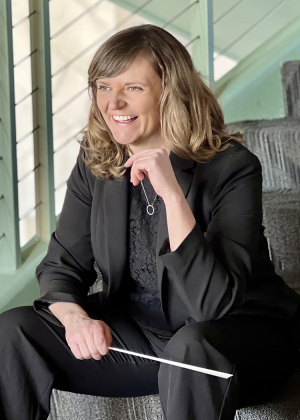
Lecturer in Wind Studies and Director of Athletic Bands
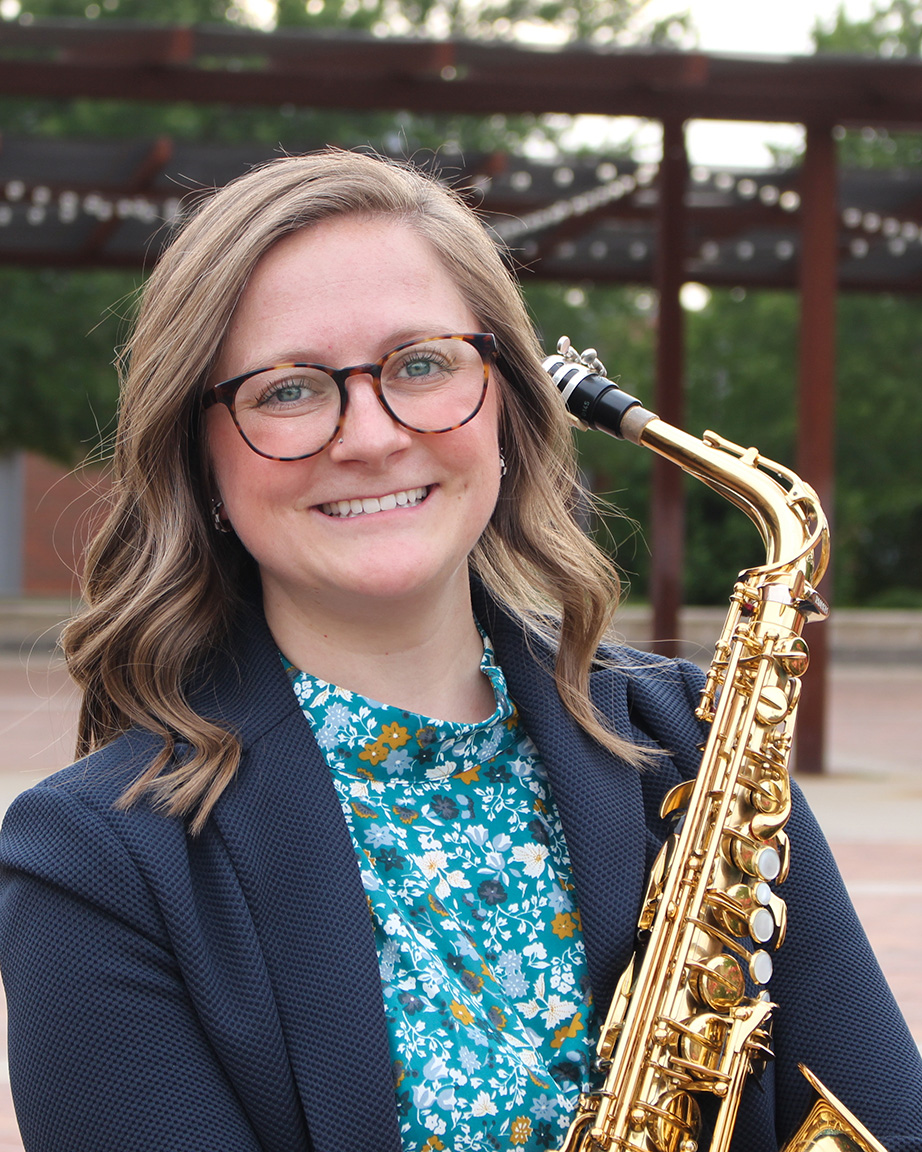
Amy Woody is Lecturer in Wind Studies and Director of Athletic Bands at the University of North Texas and serves as the conductor of the Wind Ensemble. She also teaches courses in Advanced Conducting and Marching Pedagogy. She served as a Teaching Fellow in the Wind Studies Area at UNT, and duties included teaching the Concert Band, University Band, Fundamentals of Conducting, and assisting with all aspects of concert and athletic ensembles. She was named one of four UNT Outstanding Teaching Fellow Award recipients for the 2022–2023 school year. Her teachers include Eugene Migliaro Corporon, Andrew Trachsel, and Daniel Cook. Prior to UNT, Dr. Woody served as the Director of Bands (2014–2021) and Associate Director of Bands (2007–2014) at John H. Guyer High School in Denton, TX. The Guyer Wind Ensemble was named a Commended Winner in the 2021 Mark of Excellence New Music Category, a 2018 Mark of Excellence National Winner, and a 2018 Western International Band Conference Invited Ensemble in Seattle, Washington.
Recently, she served as the Chief Programs Officer for the Lone Star Wind Orchestra (LSWO), a professional wind band based in the DFW metroplex. She has performed in the clarinet section of the Lone Star Wind Orchestra since the fall of 2008. In her time with the ensemble she performed at The Midwest Clinic – International Band and Orchestra Conference, International Women’s Brass Conference (IWBC), World Association for Symphonic Bands and Ensemble (WASBE), Texas Bandmaster’s Association (TBA), Clarinetfest, the OU Clarinet Symposium as well as other professional engagements in the DFW Area. Dr. Woody’s past performance engagements include the Richardson Symphony Orchestra, Waco Symphony Orchestra, and the Oswego Opera Orchestra.
Dr. Woody is a graduate of the University of North Texas (DMA Wind Conducting), Eastman School of Music (Master of Music in Clarinet Performance), and Baylor University (Bachelor of Music Education). Dr. Woody serves as an active clinician and adjudicator in the greater DFW area, Texas, and across the United States.
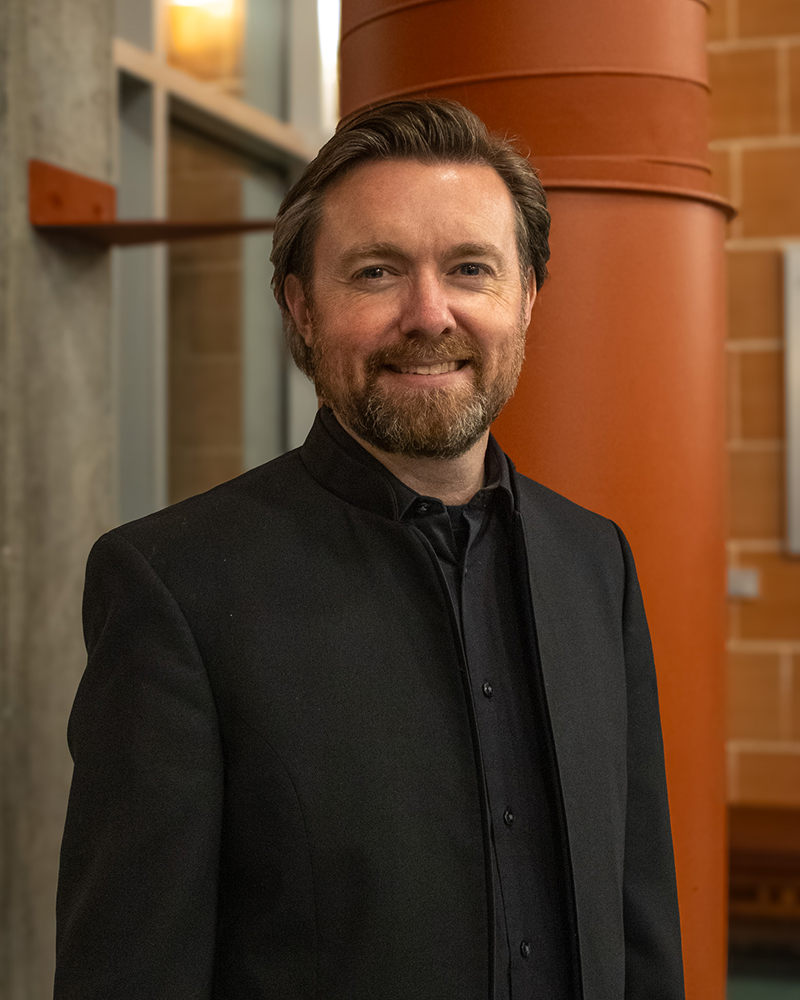
Professor of Wind Studies, Chair of the Division of Conducting and Ensembles, Wind
Orchestra Conductor
Andrew Trachsel serves as Professor of Wind Studies and Chair of the Division of Conducting and Ensembles at the University of North Texas College of Music. He is the conductor of the Wind Orchestra and teaches courses in graduate and undergraduate conducting as well as the history and repertoire of the wind band. In Fall 2026 Trachsel will begin his appointment as the next Director of Wind Studies and conductor of the North Texas Wind Symphony.
Trachsel has collaborated with and received critical acclaim from many leading performers and composers including Tony Baker, Barcelona Clarinet Players, Mason Bates, Denée Benton, David Biedenbender, Bruce Broughton, Canadian Brass, Jung Choi, Viet Cuong, James David, Paul Dooley, Mark Ford, Nancy Galbraith, Julie Giroux, Saül Gómez Soler, Dave Hall, Haven Trio, Sungji Hong, Jennifer Jolley, Lindsay Kesselman, Joseph Klein, Libby Larsen, John Mackey, Dave Malloy, Michael Markowski, Manuel Martínez, Quinn Mason, Stacie Mickens, Robert Moran, Mark Phillips, Joel Puckett, Paul Rennick, Jake Runestad, Raquel Samayoa, Drew Schnurr, Seraph Brass, James Stephenson, Third Coast Percussion, Omar Thomas, Zhou Tian, Bramwell Tovey, Noriko Tsukagoshi, Jess Langston Turner, Dana Wilson, Christoph Wünsch, Chen Yi, Gregory Youtz, and Larry Zalkind. An advocate for new music, Dr. Trachsel has premiered, commissioned, or co-commissioned more than 100 new works over the past two decades. He is interested in developing innovative programming through interdisciplinarity, culminating in the establishment of the Ampersand festival to explore new opportunities for authentic collaboration between the contemporary wind band and other musical genres (including jazz, rock, and electronica), other arts (including dance, film, theater, and visual art), and other disciplines.
In 2019 Trachsel was named series editor of GIA Publications’ landmark Teaching Music through Performance in Band. With Eugene Migliaro Corporon, he is the co-creator of the Teaching Music through Performance in Band Video Rehearsal Series. His transcription of Robert Moran’s Points of Departure is published by Charlotte Benson Music and his critical edition of Gordon Jacob’s William Byrd Suite was recorded by the North Texas Wind Symphony and released on the album Altered States. Trachsel is active internationally as a guest conductor, clinician, advocate, and recording producer, and holds professional or honorary memberships in the Recording Academy (formerly NARAS), National Association for Music Education, Kappa Kappa Psi National Honorary Band Fraternity, Phi Mu Alpha Sinfonia Music Fraternity of America, Pi Kappa Lambda National Music Honor Society, Sigma Alpha Iota International Music Fraternity, Tau Beta Sigma National Honorary Band Sorority, WASBE Conductors Forum, and the College Band Directors National Association, for whom he serves as president of the Southwestern Division. He was appointed Assistant Conductor for the inaugural season of the Lone Star Wind Orchestra and now serves as the music director and conductor of the Lone Star Youth Winds.
Prior to this appointment, Trachsel served as Director of Bands and Associate Professor of Conducting at Ohio University for eleven years. He was the conductor of the Wind Symphony, music director for the “Under the Elms” Summer Concert Series, Division Chair of Conducting and Ensembles, and Assistant Director for Recruitment for the School of Music. Under his artistic direction, the Ohio University Wind Symphony performed at numerous music conferences and venues, including the CBDNA North Central Division, Ireland, Rome, and New York City’s famed Carnegie Hall. The Ohio University Wind Symphony released three commercial albums on the Mark Masters label, with multiple appearances on national syndicated radio and the Grammy Entry List. Trachsel also taught in the Hugh Hodgson School of Music at the University of Georgia as an assistant director of bands and postdoctoral fellow, and for four years served as a public high school band director in central Iowa.
A native of Iowa, Trachsel received a Bachelor of Music Education degree from Drake University, a Master of Music and Doctor of Musical Arts, both in conducting, from the University of North Texas, where he studied with Eugene Migliaro Corporon and Dennis Fisher.
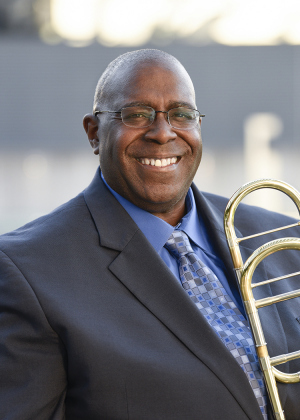
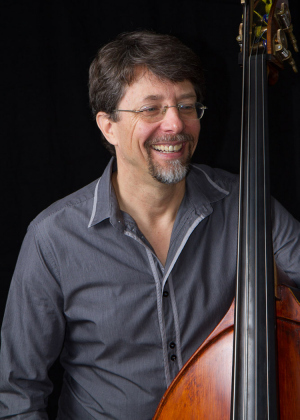
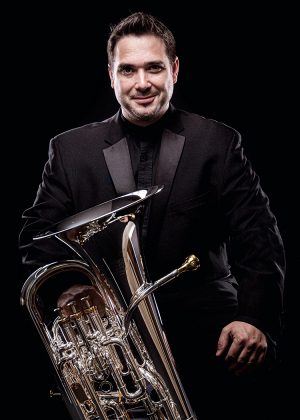
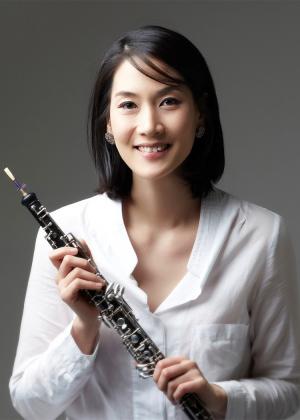
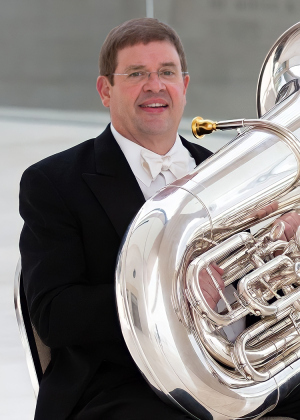
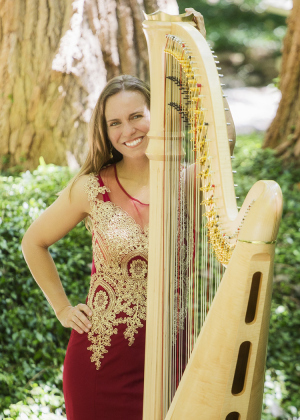
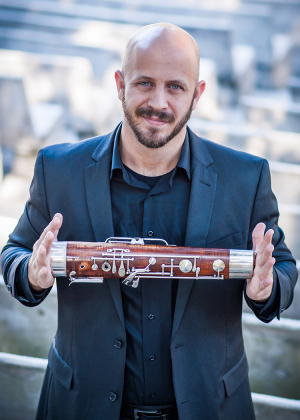
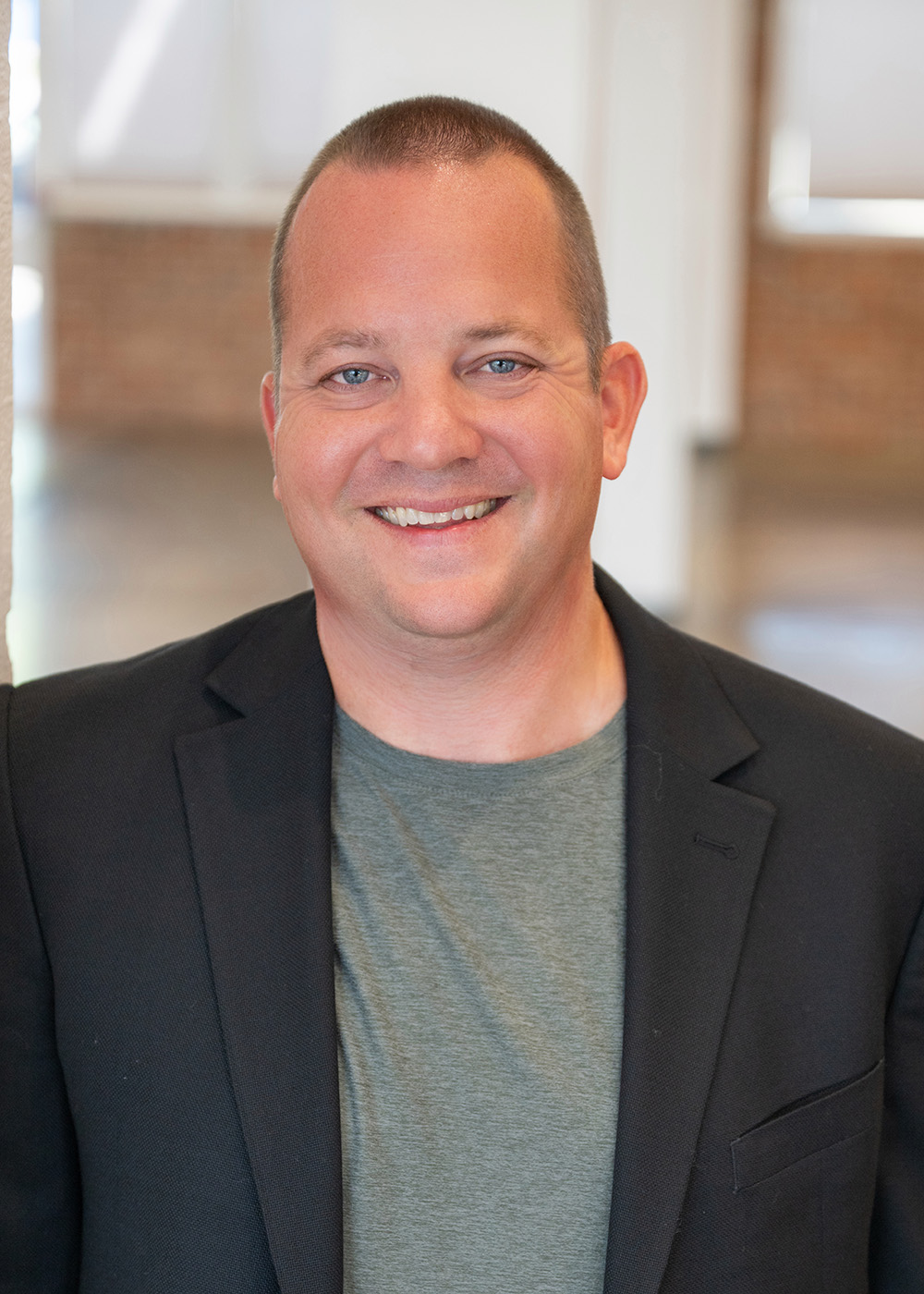
Division of Instrumental Studies Faculty | Woodwinds, Brass, Percussion, Bass, Piano
and Harp



About UNT Wind Studies
The University of North Texas Wind Studies Area, as part of the Division of Conducting & Ensembles of the College of Music, has as its primary mission the preparation of instrumentalists and conductors for professional careers in performance and education. It is our goal to provide a program that will develop well-rounded musicians who are prepared to face the challenges of an increasingly global, rapidly changing, and inevitably interconnected musical world. In addition, we are directed toward maintaining a leadership role locally, nationally, and internationally. At both the undergraduate and graduate level, we seek to:
- Expand the technical, intellectual, personal, and spiritual horizons of musicians.
- Promote the highest performance standards that result in soul-to-soul music making.
- Prepare for the music of the future by exploring the music of the present while preserving the music of the past.
- Increase the awareness of the artistic and historical significance of music for winds and percussion.
- Create a positive music-making environment that allows the knowledge gained in the studio and classroom to be applied to ensemble performance.
- Provide a balanced experience that promotes imagination, creativity, flexibility, independence, and versatility in each musician.
- Preserve the repertoire of the wind band, which has become a significant and serious means of musical expression.
- Broaden the concept of performance and teaching skills by encouraging critical thought and artistic interaction.
The program serves approximately 800 undergraduate and graduate music majors. Performance opportunities include Wind Symphony, Wind Orchestra, Wind Ensemble, Concert Winds, Symphonic Winds, University Winds, Brass Band, Green Brigade Marching Band, and Varsity Band.
The graduate conducting program offers degrees at both the Master's and Doctoral level. The goal is to develop conductors for professional careers in performance and education through intensive study of literature and pedagogy. The rigorous and varied curriculum prepares well-rounded conductors for successful professional careers in their chosen field. Graduate Conducting Associates receive practical experience working regularly with the various ensembles, and appearing on concert programs throughout the year. Additionally, the Conducting Associates serve in an internship capacity and are integrally involved in all administrative aspects of the Wind Studies Area.
We have an important secondary mission, which is to provide University students, staff, and faculty with an avenue to continue their involvement with and connection to the performing arts. We are committed to the concept of maintaining groups that encourage those who do not have career plans in music to develop the aesthetic self in addition to the academic self. We are dedicated to the education of the whole human through our involvement in the University community at large.
WIND STUDIES FACULTY AND STAFF
Eugene Migliaro Corporon, Regents Professor of Music, Director of Wind Studies, Conductor of the Wind Symphony
Andrew Trachsel, Professor of Wind Studies, Conductor of the Wind Orchestra
Amy Woody, Director of Athletic Bands, Conductor of the Wind Ensemble
David Childs and Raquel Samayoa, Conductors of the Brass Band
Carlos Granthon Boy, Katharine Reed, Nathan Wise, Doctoral Conducting Associates
Melinda Coleman, Master's Conducting Associate
Caeley Hovanec and Stoney Shelton, Teaching Fellows
Heather Coffin, Administrative Coordinator
Daniel Jipster, Anthony Piniero, Librarians
Floyd Graham, Director of Bands, Emeritus (1927–1937)
Maurice McAdow, Director of Bands, Emeritus (1945–1975)
Robert Winslow, Director of Bands, Emeritus (1975–1993)
Dennis Fisher, Professor of Wind Studies, Emeritus (1982–2019)
About the College of Music
The University of North Texas College of Music is the largest public university music program in the United States and one of the most globally respected. Faculty and staff include internationally acclaimed artists and scholars in composition, conducting, ethnomusicology, jazz studies, music education, music business, music history, music theory, commercial music and performance. The college presents more than 700 music events annually. Students perform in more than 70 ensembles in eight campus venues and can be viewed worldwide via free superior quality live streaming. UNT music alumni can be found around the world in impressive, award-winning careers across a wide range of music professions. Our current faculty members include Guggenheim Fellows, Fulbright Fellows, an Avery Fisher Career Grant recipient, a Charles Ives Fellow of the American Academy of Arts and Letters, a Van Cliburn International Piano Competition Gold Medalist, Emmy, Grammy, Latin Grammy, Oscar and Tony nominees and Grammy and Latin Grammy Award winners. Our students come from all 50 states, the District of Columbia, Puerto Rico and more than 40 countries.
The mission of the UNT College of Music is to serve our diverse musical culture with excellence, integrity and imagination. The vision of the UNT College of Music is to provide leadership, artistry and expertise to every facet of the music profession.
About the University of North Texas
Ranked a Tier One research institution by the Carnegie Classification, UNT is one of the largest public research universities in the United States with more than 46,000 students who push creative boundaries and graduate with credentials of value so they can become tomorrow’s leaders. UNT is recognized as a Minority-Serving and Hispanic-Serving Institution, reflecting the population of Texas. UNT students earned nearly 13,000 degrees last year in 240 degree programs, many nationally and internationally recognized. With a focus on academic excellence and graduating career-ready students, UNT has served as a catalyst for creativity since its founding in 1890, continually fueling progress, entrepreneurship and innovation for the North Texas region, the state — and beyond.
The UNT community is guided by five shared values — Courageous Integrity, Be Curious, We Care, Better Together and Show Your Fire.
ADMINISTRATIVE LEADERSHIP
UNT SYSTEM
MICHAEL R. WILLIAMS
Chancellor
UNIVERSITY OF NORTH TEXAS
HARRISON KELLER
President
MICHAEL MC PHERSON
Provost and Vice President for Academic Affairs
COLLEGE OF MUSIC
JOHN W. RICHMOND
Professor and Dean
RAYMOND ROWELL
Assistant Dean for Scholarships
and External Affairs
and External Affairs
DAVID HEETDERKS
Chair, Division of Music History,
Theory and Ethnomusicology
Theory and Ethnomusicology
ROB PARTON
Chair, Division of Jazz Studies
MATT HARDMAN
Director, Communications,
Marketing and Public Relations
Marketing and Public Relations
JOEL WILEY
Director, Admissions
WARREN HENRY
Senior Associate Dean
for Academic Affairs
for Academic Affairs
JAYMEE HAEFNER
Director of Graduate Studies
JOSEPH KLEIN
Chair, Division of Composition Studies
SEAN POWELL
Chair, Division of Music Education
AUSTIN MARTINEZ
Director, Recording Services
GRACE GELPI
Executive Assistant to the
Dean of the College of Music
Dean of the College of Music
KIRSTEN SORIANO
Associate Dean for Operations
MARK MONTEMAYOR
Director of Undergraduate Studies
OSCAR MACCHIONI
Chair, Division of Keyboard Studies
RAQUEL SAMAYOA
Associate Chair,
Division of Instrumental Studies
Division of Instrumental Studies
ALEJANDRO MIRANDA
Director, Piano Services
BLAKE HARDESTY
Program Design, Graphic Design Specialist
EMILITA MARIN
Assistant Dean for
Business and Finance
Business and Finance
MOLLY FILLMORE
Chair, Division of Vocal Studies
ERIC NESTLER
Chair, Division of Instrumental Studies
ANDREW TRACHSEL
Chair, Division of Conducting
and Ensembles
and Ensembles
CAROL POLLARD
Director of
Undergraduate Advising
Undergraduate Advising
Murchison Performing Arts Center Staff
JULIE HOHMAN
Director
Director
DAN SCHULZ
Audio Technical Director
ANNIE SMITH
Event Support Coordinator